

Starting Money Conversations Without Tension
How to bring up finances with your partner in a way that builds trust instead of triggering defensiveness.
Comparing account structures that couples in Hong Kong actually use. Hybrid approaches, transparency, and practical considerations for your situation.

There’s no one-size-fits-all answer to the account question. We’ve seen couples in Hong Kong thrive with fully joint accounts, completely separate ones, and everything in between. The real question isn’t which structure is “best” — it’s which one aligns with how you and your partner actually think about money, trust, and independence.
This guide walks through the three main approaches, the practical trade-offs of each, and what we’re seeing work well for couples here in Hong Kong. You’ll also find tips on making the transition between structures if you decide to switch.

Everything goes into one account. Salaries, bonuses, rental income — it all lands in the same place. Both partners have equal access and visibility. There’s no tracking of “whose money” paid for what.
This works best when you’re completely aligned on spending habits and when both partners trust each other with full financial transparency. Hong Kong couples who choose this model often describe it as the simplest approach mentally — no need to remember which account is which or do complex calculations about who owes whom.
If one partner earns significantly more, the lower-earning partner might feel loss of autonomy. Personal purchases become visible to the other person. And if you ever need to separate (marriage breakdown, estate planning), joint accounts complicate things legally.

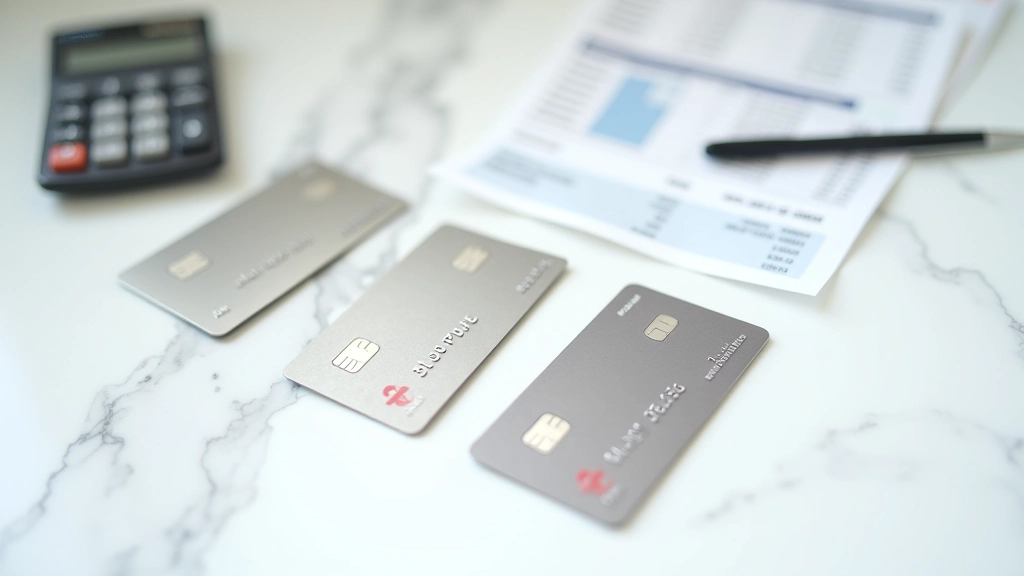
Each partner maintains independent finances. Bills get split (either equally or proportionally), and what’s left over is completely yours. No visibility into what the other person spends. No shared savings account.
This approach appeals to people who value financial independence, who’ve experienced controlling relationships in the past, or who come from different financial backgrounds. In Hong Kong, we’re seeing younger couples and those in second relationships choose this more often.
You’ll spend time negotiating bill splits. Major purchases require compromise conversations. It’s harder to save jointly for things like a home or children’s education. Some couples report feeling more like roommates than partners.
The account structures discussed here are informational in nature. They don’t constitute financial advice. Tax implications, inheritance laws, and banking regulations differ based on your residency status in Hong Kong, employment situation, and family circumstances. Consider consulting with a licensed financial advisor or tax specialist who understands Hong Kong’s specific requirements before making changes to your account structure.
This is what we’re seeing most couples in Hong Kong actually use. You maintain individual accounts for personal spending, but you also have a joint account. Salaries get split — some percentage goes to the joint account (for rent, utilities, groceries, savings), and the rest stays in personal accounts.
It’s the compromise that gives you both security and independence. You get transparency on shared expenses while keeping personal money truly personal. You’ll still need to agree on the split ratio, but it’s usually clearer to discuss than dividing every single expense.
Common splits we see: 50/50 contribution regardless of income, proportional contribution based on salary, or fixed contribution amounts. Each approach sends different messages about partnership and fairness.

If you’re currently using one model and want to switch, here’s what actually works:
Don’t just open a new account without talking. Discuss why you want to change, what concerns you both have, and what success looks like. This conversation matters more than the structure itself.
Open new accounts while keeping old ones active for 2-3 months. This gives you time to update automatic transfers and test the new system before fully committing.
Write down who pays for what. Even informal rules should be explicit. “Joint account covers rent and groceries, personal accounts cover entertainment and personal care” — spell it out.
Schedule brief check-ins. Is the split ratio still working? Are there unexpected expenses? Have income changes shifted the balance? Small adjustments now prevent bigger resentments later.
Your account structure isn’t a one-time decision. It’s a reflection of how you’re managing trust, independence, and shared responsibility right now. What works at 25 might not work at 35 when you’re saving for a home. What works when both partners earn similar amounts might need adjusting if one person takes parental leave.
The couples we’ve seen navigate this successfully have one thing in common: they talked about it. They didn’t assume their partner thought the same way about money. They asked questions, listened to concerns, and picked a structure that felt fair to both of them.
Start there. The specific account setup matters less than the conversation behind it.